


Media searches demand exceptional care because their consequences extend beyond the accused and directly affect democracy.
At the raid on Reporter TV, let me make my position clear at the outset: I oppose blanket hunts against media organisations and attempts to intimidate journalists through state power. I also oppose media organisations using press freedom to shield fraud, money laundering or other unlawful activities. Where wrongdoing is established, I support proportionate legal consequences, including closure where legally justified, through due process. These positions belong together.
The raid on Reporter TV, alongside the earlier police action against Marunadan Malayali, exposes how selectively our political parties apply these principles. When their opponents conduct a raid, democracy is in danger. When their own government conducts it, the law is taking its course.
Apparently, constitutional morality comes with a change-of-government clause.
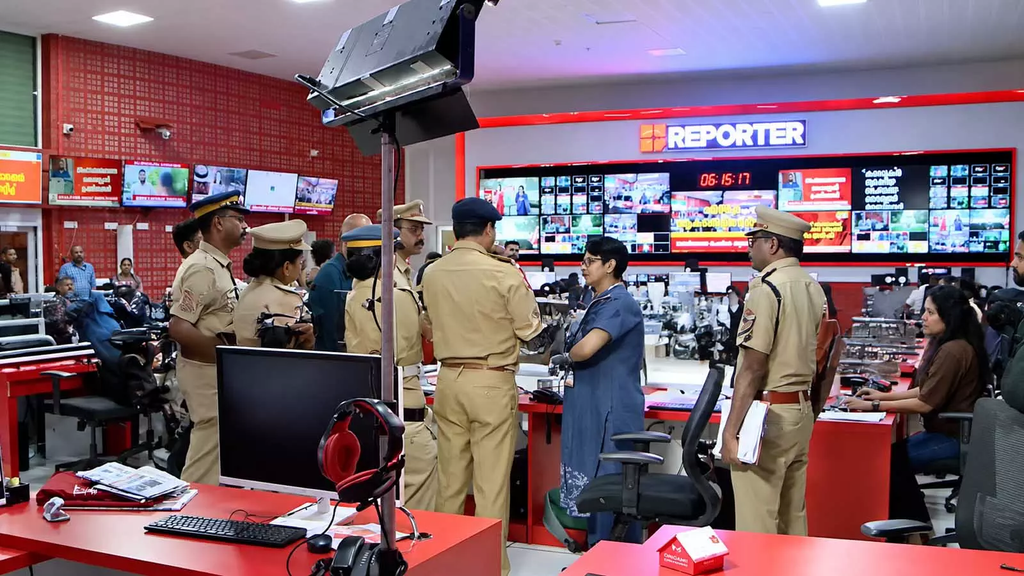
On September 16, police searched premises associated with Reporter Broadcasting Company in connection with alleged fraud surrounding the proposed Argentina football event. Chief Minister V. D. Satheesan defended the search as lawful. Pinarayi Vijayan and other CPI(M) leaders condemned it, alleging intimidation and interference with newsroom operations. The government disputes those allegations. These competing accounts require independent scrutiny.1
Compare this with 2023, when police seized computers and other equipment from Marunadan Malayali under the LDF government. Satheesan, then Opposition Leader, questioned why a case against its editor justified searches of other journalists’ homes and seizure of their belongings. Congress demanded professionalism and condemned intimidation of the media2.3
Those were legitimate questions. They remain legitimate today.
Those on the Left who justified sweeping action against Marunadan owe an explanation for their present defence of Reporter TV. The UDF’s current defence of police action must meet the standards it demanded while in Opposition.
Different cases can justify different investigative measures. But the distinction must rest on evidence, necessity and proportionality. A change in government cannot, by itself, turn yesterday’s oppression into today’s professionalism.
The central issue is that media searches have consequences far beyond the person being investigated. They directly affect the functioning of democracy.
An investigation may concern a proprietor’s financial dealings. Its execution can nevertheless disable a newsroom, expose confidential sources, intimidate unrelated journalists and interrupt reporting on matters of public importance. The consequences reach citizens whose access to information depends on that newsroom.
The damage can spread beyond the organisation being searched. Other journalists may become reluctant to investigate powerful people. Sources may fear coming forward. Editors may begin weighing the likelihood of police attention before deciding whether a story deserves publication.
That is how an investigation into one person can produce a chilling effect across an institution that democracy depends upon.
Exceptional care is therefore a democratic obligation. It cannot be dismissed as a special favour demanded by media owners.
Authorities should identify the suspected offence, establish the relevance of the material sought, document their actions and minimise interference with unrelated journalism. Where evidence can reasonably be secured through less intrusive means, those options deserve serious consideration. Where an urgent search is necessary, its scope and necessity should withstand independent scrutiny.
Registering a case does not automatically justify every subsequent police action. Equally, calling an investigation an attack on press freedom does not automatically invalidate it.
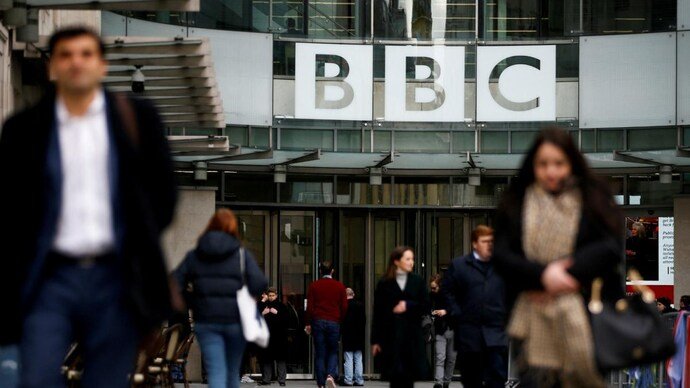
The controversies surrounding the BBC tax surveys in 2023 and the 2017 CBI searches involving NDTV’s founders illustrate how enforcement actions can become major disputes about political retaliation and media freedom. Such disputes must be assessed through evidence and the conduct of the investigation, rather than loyalty to the government or the broadcaster.4 5
Professionalism matters for another reason: careless or excessive enforcement can undermine a legitimate investigation. It allows the alleged offence to disappear behind a larger controversy about state intimidation. A government that claims to seek accountability should take care not to discredit its own process.
The same discipline applies to allegations that media organisations facilitate radicalisation, circulate propaganda or conduct a “narrative war.” Whether the organisation is MediaOne, Al Jazeera, the BBC or any other outlet, the accusation must identify specific conduct and supporting evidence.
Editorial bias, selective reporting, deliberate falsehood, unlawful financing and incitement to violence are different matters. They require different evidence and different responses. Strong criticism of a channel’s ideological agenda is legitimate. Treating that criticism as sufficient grounds for closure is another matter entirely.

MediaOne’s case underlines the importance of this distinction. In 2023, the Supreme Court overturned the denial of its security clearance and rejected the government’s justification for the broadcasting ban. Whatever one thinks of the channel’s editorial position, that judgment must be acknowledged. Separate or subsequent allegations require their own evidence.6
Defending an outlet’s freedom does not mean certifying its journalism or acquitting its owners. Supporting an investigation does not require endorsing every method the police employ.
Our political class should be capable of understanding this. Instead, too many self-appointed guardians of the Constitution demand restraint from governments they oppose and unquestioning trust in governments they support.
Their hypocrisy does more than embarrass them. Every partisan defence of overreach supplies the next government with a precedent. Every selective protest weakens the credibility of future warnings. In the process, the proclaimed defenders of democracy help normalise the practices that corrode it.
My position remains the same, regardless of who governs or which channel is targeted: protect media freedom, investigate demonstrable wrongdoing and impose consequences through due process. I oppose blanket hunts that intimidate journalists and weaken the fourth pillar. I oppose the misuse of journalism’s protections to conceal criminal activity. Where an organisation’s wrongdoing legally warrants closure, that decision must follow fair proceedings, independent scrutiny and a proportionate assessment of the evidence.
Above all, an investigation must account for its consequences beyond the accused. A newsroom serves a public function, and damaging that function harms democracy itself.
A raid does not establish guilt. A press badge does not establish innocence. Democracy requires us to remember both, whoever holds power.
And if India’s standing in the Press Freedom Index under Modi concerns you, lo and behold, state Chief Ministers can help drag it down too. Modi does not have a monopoly on undermining press freedom.
References
- Onmanorama Staff. (2026, September 16). Raid in Reporter TV legal, part of SIT probe, says Kerala CM; CPM leaders cry foul. ↩︎
- The New Indian Express. (2023, July 5). Kochi cops raid Marunadan Malayali office in Thiruvananthapuram, seize laptops & cams. ↩︎
- Press Trust of India. (2023). Govt that restricts press freedom a danger to democracy: Congress on Kerala’s ruling LDF action against media. ThePrint. ↩︎
- NDTV. (2023, February 14). Tax survey at BBC India offices, phones, laptops scanned. ↩︎
- The Caravan. (2023, February 14). Voices from inside and outside the raided BBC office in Delhi. ↩︎
- Press Trust of India. (2023, April 5). SC quashes MediaOne telecast ban, says criticism not anti-establishment. Rediff. ↩︎

I am Arif Hussain Theruvath—The Doubt Engineer. Ex-Homeopath. Ex-Muslim. Ex-Communist. Ex-Woke. Every label I shed taught me that certainty is a cage and the key is a question. I don't sell answers; I engineer doubt—about narratives, authority, and comfortable lies. Because the right question can crack dogma, challenge blind faith, and set the mind free.


No Comments